A machine doesn’t know when someone is working on it. That’s why a lockout tagout LOTO kit isn’t just another piece of safety gear—it’s a critical barrier between routine maintenance and life-altering accidents. Every year, hundreds of workers are injured during servicing of energized equipment. Most of these incidents are preventable with a proper lockout tagout program—and the right kit to support it.
A LOTO kit consolidates all the components needed to isolate energy sources before maintenance begins. Whether it’s a conveyor system in a food processing plant or a hydraulic press in an auto shop, uncontrolled energy release is a real threat. This article breaks down what a LOTO kit should contain, how to use it effectively, and what separates a compliant setup from a liability waiting to happen.
What’s Inside a Standard Lockout Tagout LOTO Kit?
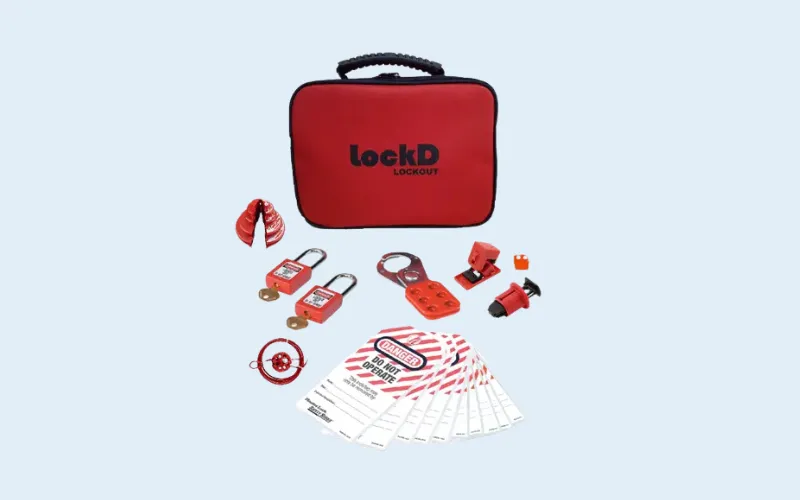
LOTO kits vary by application, but a well-designed one includes standardized tools to lock out energy at the source. The goal is uniformity: every technician should find the same components, clearly labeled and easy to deploy.
Common components in a LOTO kit include:
- Padlocks – Individual keyed or keyed-alike locks, often color-coded by department or shift.
- Lockout Hasps – Allow multiple workers to apply their personal locks to a single energy isolation point.
- Valve Lockouts – Designed to secure gate, ball, or butterfly valves on pneumatic or hydraulic lines.
- Circuit Breaker Lockouts – Fit over breakers to prevent re-energizing during electrical work.
- Plug Lockouts – Secure electrical cords at outlets or disconnects.
- Tags – Durable, writable labels stating who locked the device, when, and why.
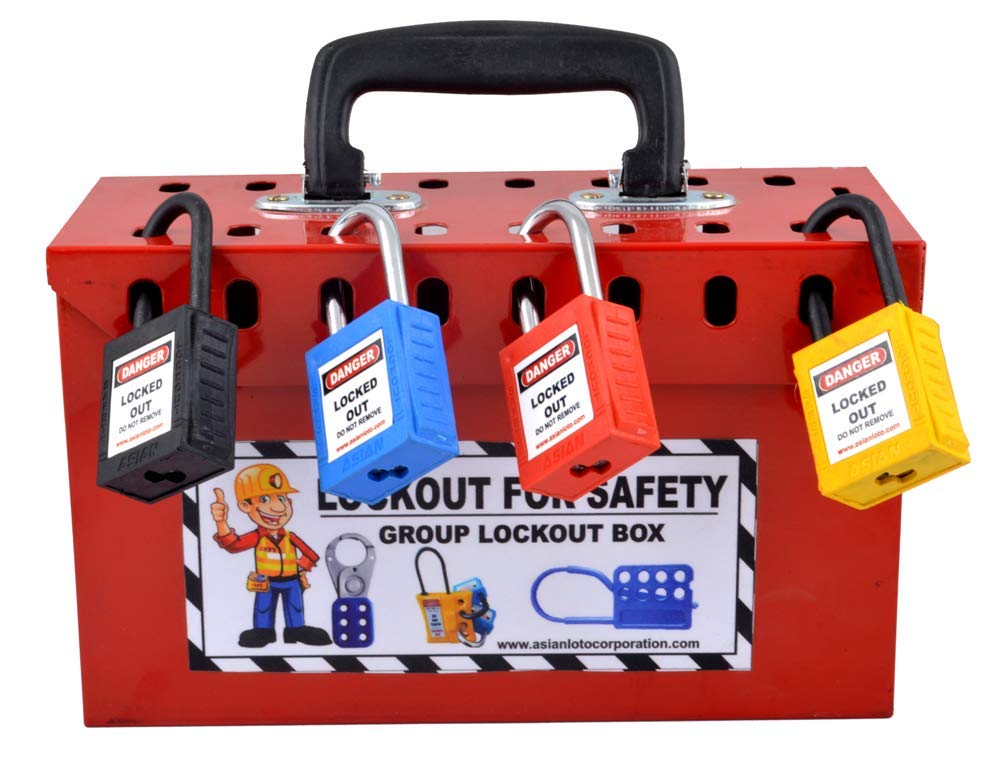
- Group Lockout Boxes – Centralized stations where multiple workers store keys or locks during complex maintenance.
These components work in tandem. For example, during a motor replacement, an electrician uses a circuit breaker lockout and personal padlock, then attaches a tag explaining the shutdown. A mechanic working on the drive system might use a hasp and secondary lock. Each person uses their own lock—no one else can remove it.
The kit isn’t just about hardware. It’s a system built on accountability and verification.
Why a LOTO Kit Is Non-Negotiable in High-Risk Environments
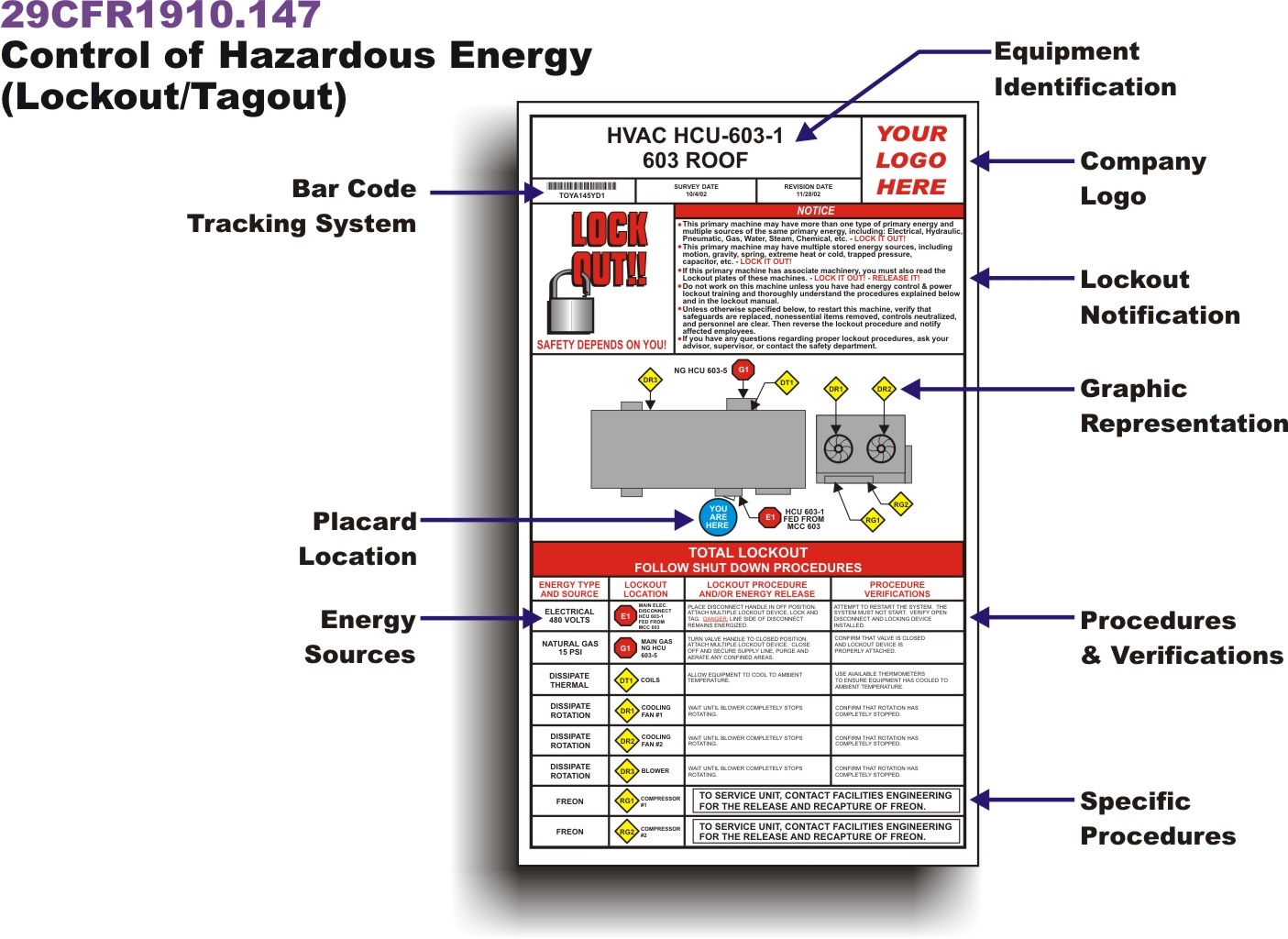
In industrial settings, energy comes in many forms: electrical, mechanical, hydraulic, pneumatic, chemical, and thermal. A LOTO kit targets all of them. Without one, workers rely on memory, verbal confirmation, or incomplete procedures—none of which meet OSHA standards.
Consider a real-world scenario: a packaging line jams. An operator shuts off the control panel but doesn’t isolate the main power. A technician arrives, assumes the system is safe, and reaches into the rollers. Meanwhile, someone resets the control panel remotely. The machine powers up—catastrophe follows.
A proper LOTO procedure stops this. The technician uses the kit to lock the main disconnect, apply their personal lock and tag, then verify zero energy before starting work. No one can restart the system without their knowledge.
OSHA standard 1910.147 mandates control of hazardous energy. Non-compliance carries fines up to $15,625 per violation—and that’s before considering injury lawsuits or downtime. A $200 LOTO kit can prevent six-figure losses.
Beyond compliance, consistent use of a LOTO kit builds a culture of safety. When every maintenance task follows the same protocol, workers develop disciplined habits. New hires learn that safety isn’t situational—it’s mandatory.
Common Mistakes When Using LOTO Kits
Even with the right tools, improper use undermines protection. These errors appear frequently during safety audits:
1. Using Tags Without Locks Tagout alone is not sufficient unless lockout is not feasible. Tags can be ignored or fall off. OSHA permits tagout-only procedures only with additional safety measures.
2. Shared or Master Locks Each worker must use their own lock. A master lock accessible to supervisors defeats the purpose. If a worker is absent, a formal removal procedure must be followed—not a free-for-all.
3. Incomplete Energy Isolation Machines often have multiple energy sources. A technician may lock the main power but overlook stored energy in springs or capacitors. A full energy survey is required before any work.
4. Skipping the Verification Step Locking out isn’t enough. Workers must test the equipment—press start buttons, check gauges, and confirm no residual energy remains. This step is documented in most LOTO procedures.
5. Poor Kit Maintenance Lost tags, broken hasps, or worn padlocks render a kit ineffective. Kits should be audited quarterly and restocked immediately.
Avoiding these pitfalls requires training, but also a well-organized LOTO kit. Everything should be present, clearly labeled, and easy to use under pressure.
Choosing the Right LOTO Kit for Your Operation
Not all kits are created equal. Choosing the wrong one leads to non-compliance or inconsistent use. Evaluate based on these criteria:
- Industry Type – A chemical plant needs chemical-resistant tags and valve lockouts; a data center needs breaker and plug variants.
- Energy Sources – Audit your equipment. Do you need lockouts for steam lines, robotic arms, or pneumatic cylinders?
- Team Size – A single lock may suffice for small teams. Larger operations need group lockout stations.
- Portability – Mobile kits in durable cases help technicians move between stations.
- Customization – Some kits allow branding, bilingual tags, or specialized components.
Industrial supply companies offer kits ranging from basic ($100) to comprehensive ($500+). The cost difference often lies in versatility and durability.
Top 5 LOTO Kits for Industrial Use

| Kit Name | Key Features | Best For |
|---|---|---|
| Grace Industries GRI-250 | 20+ components, ANSI-compliant tags, heavy-duty case | Mid-sized manufacturing |
| Safeguard HR-LOK-1 | Includes group lockout box, bilingual tags, circuit and valve lockouts | Multilingual teams |
| Jonard Tools LOTO-PRO | Modular design, customizable contents, anti-corrosion materials | High-moisture environments |
| 3M DBI-SALA 177-LOTO | Compact, portable, meets OSHA 1910.147 | Field technicians |
| Master Lock 1450D | Affordable, ANSI-compliant, 10-piece starter kit | Small businesses, startups |
Each of these kits supports a full lockout process. The Grace and Safeguard models are particularly strong for multi-worker environments, while the Master Lock kit offers a cost-effective entry point.
When selecting, don’t just count pieces—check compatibility with your equipment. A kit with five circuit lockouts won’t help if you’re dealing with large ball valves.
How to Implement a LOTO Program Around Your Kit
A LOTO kit is useless without a procedure. Here’s a lean workflow to turn hardware into habit:
- Conduct an Energy Audit
- Identify every piece of equipment that requires maintenance and its energy sources.
- Develop Written LOTO Procedures
- Create step-by-step instructions for shutting down, isolating, locking, and verifying each machine.
- Train Employees
- Authorized employees must understand how to use the kit and follow procedures. Affected employees should know not to operate locked equipment.
- Deploy Kits Strategically
- Place kits near high-risk machinery or issue portable kits to maintenance crews.
- Audit and Refill Monthly
- Check for missing or damaged parts. Replace tags, batteries in test meters, and worn locks.
- Conduct Periodic Inspections
- OSHA requires annual reviews of LOTO procedures. Watch real workers perform lockouts and correct deviations.
A well-run program doesn’t treat the LOTO kit as a checklist item. It integrates the kit into daily operations—like wearing a hard hat on the floor.
Real-World Use Case: Preventing a Near-Miss in a Metal Stamping Plant
At a Midwest fabrication shop, a press brake required routine die changes. Previously, workers relied on “turn it off and go” tactics. After two close calls—one involving a partially retracted hydraulic cylinder—the safety manager introduced a LOTO program.
They purchased the Safeguard HR-LOK-1 kit and customized it with department-specific padlocks. A new procedure required:
- Shutting down the control panel.
- Isolating hydraulic and electrical sources.
- Using a lockout hasp with dual locks (mechanic and supervisor).
- Testing the foot pedal to confirm no movement.
- Tagging the station with name, time, and task.
Within six months, the plant recorded zero maintenance-related incidents. More importantly, workers began reporting near-misses—an indicator of growing safety awareness.
The kit cost $320. The potential cost of a single amputation? Over $100,000 in medical and indemnity claims, plus lost productivity.
Closing: Don’t Wait for an Incident to Invest in a LOTO Kit
A lockout tagout LOTO kit is more than a box of locks and tags. It’s a system for preventing human error in high-consequence environments. Whether you run a warehouse, factory, or maintenance crew, your team deserves a standardized, reliable way to control hazardous energy.
Start with the right kit—one that matches your equipment and workflow. Pair it with clear procedures, ongoing training, and consistent enforcement. Then treat every maintenance task as if a life depends on it—because it does.
Equip your team. Document the process. Verify every time. That’s how safety becomes culture.
Frequently Asked Questions
What is the purpose of a LOTO kit? A LOTO kit provides the physical tools to isolate energy sources during maintenance, ensuring machines can’t be accidentally started.
Can tagout be used without a lock? Only if a lock can’t be applied. OSHA requires additional protective measures in tagout-only scenarios.
How many locks should be in a LOTO kit? At minimum, one per authorized employee. Larger kits include multiple locks for group applications.
Who can remove a lockout device? Only the worker who applied it, or through a formal, documented removal process if they’re unavailable.
Are LOTO kits required by OSHA? Yes, OSHA 1910.147 requires energy control programs, and LOTO kits are the standard method for compliance.
What’s the difference between lockout and tagout? Lockout physically prevents energy activation with a lock. Tagout uses a warning tag, which is less secure and requires extra safeguards.
Can one LOTO kit serve an entire facility? It depends on size and workflow. Large facilities often use multiple kits stationed near high-risk equipment.
FAQ
What should you look for in What Is a Lockout Tagout LOTO Kit and Why You Need One? Focus on relevance, practical value, and how well the solution matches real user intent.
Is What Is a Lockout Tagout LOTO Kit and Why You Need One suitable for beginners? That depends on the workflow, but a clear step-by-step approach usually makes it easier to start.
How do you compare options around What Is a Lockout Tagout LOTO Kit and Why You Need One? Compare features, trust signals, limitations, pricing, and ease of implementation.
What mistakes should you avoid? Avoid generic choices, weak validation, and decisions based only on marketing claims.
What is the next best step? Shortlist the most relevant options, validate them quickly, and refine from real-world results.