Machines don’t stop being dangerous just because maintenance begins. In fact, the moment a technician reaches into a system is often the most vulnerable. That’s where a lockout tagout lock box becomes essential—not as an accessory, but as a central control point in preventing accidental energization.
Every year, hundreds of workers suffer serious injuries or fatalities during equipment servicing. The root cause? Failure to properly isolate energy sources. The lockout tagout (LOTO) process exists to eliminate that risk, and within that system, the lockout tagout lock box serves as the physical and procedural backbone.
This isn’t just about compliance. It’s about creating a culture where no one assumes safety—they verify it.
What Is a Lockout Tagout Lock Box?
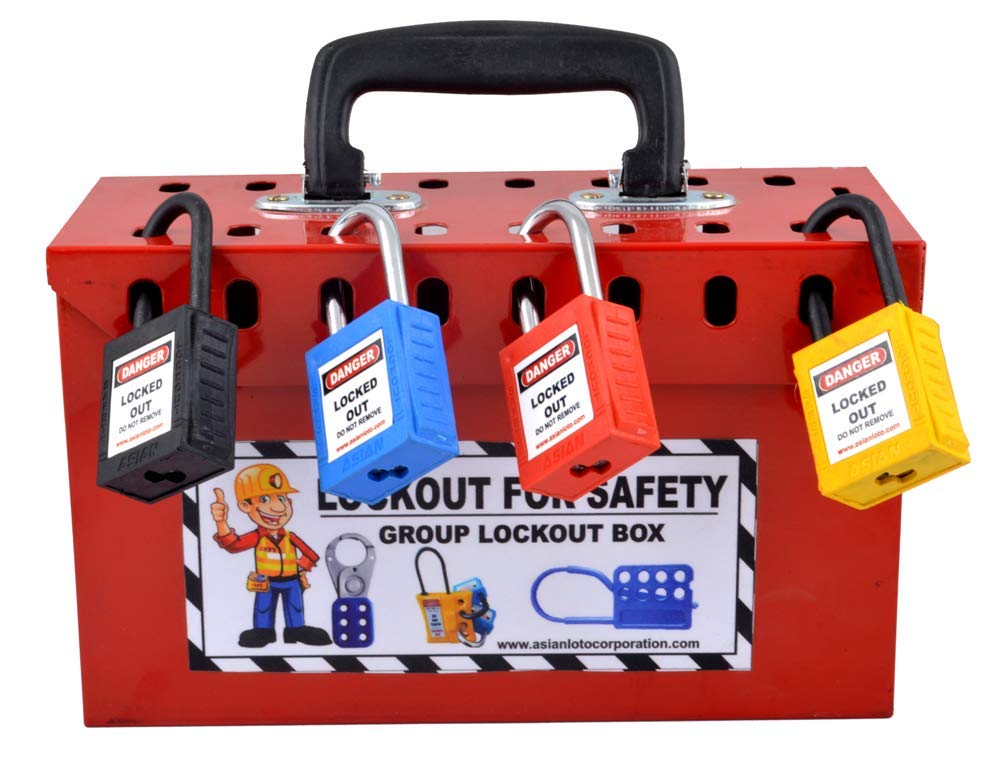
At its core, a lockout tagout lock box is a secured container designed to house energy-isolating device locks during multi-person or complex maintenance operations. It doesn’t lock out equipment directly. Instead, it manages who controls access to the lockout process.
Imagine three technicians working on different parts of a conveyor system. Each applies their personal lock to their section. But the main power disconnect can’t be re-energized until all three are finished. The lockout box stores the key to that disconnect—secured behind multiple padlocks, one from each worker. Only when the last technician removes their lock can the key be retrieved and the system restarted.
This method, known as group lockout or multi-person lockout, turns individual accountability into collective safety.
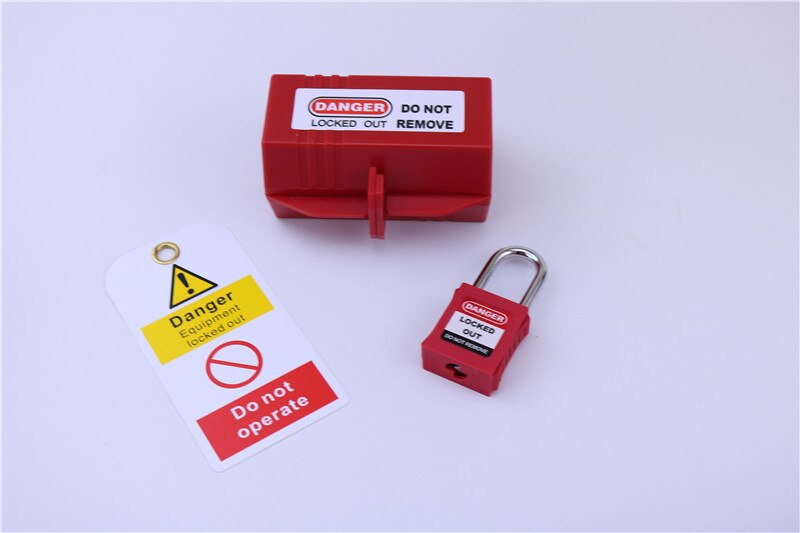
The lock box itself is typically made of durable materials like steel or reinforced plastic and includes multiple lock stations—usually 6 to 12 points—where padlocks can be attached. Some models feature clear doors for visibility, brackets for wall mounting, or secondary compartments for tags, keys, or tools.
Why a Lockout Box Isn’t Optional—It’s a Control Mechanism
Many facilities treat the lockout box as a storage bin for locks. That misunderstanding undermines its real function: to enforce sequence and verification.
Without a lockout box: - A supervisor might remove a lock prematurely - A shift handover could result in someone restarting equipment unknowingly - Contractors may not be integrated into the LOTO chain
With a properly used lockout box: - All authorized personnel must actively participate - No single person can re-energize the system - The process becomes visible, auditable, and repeatable
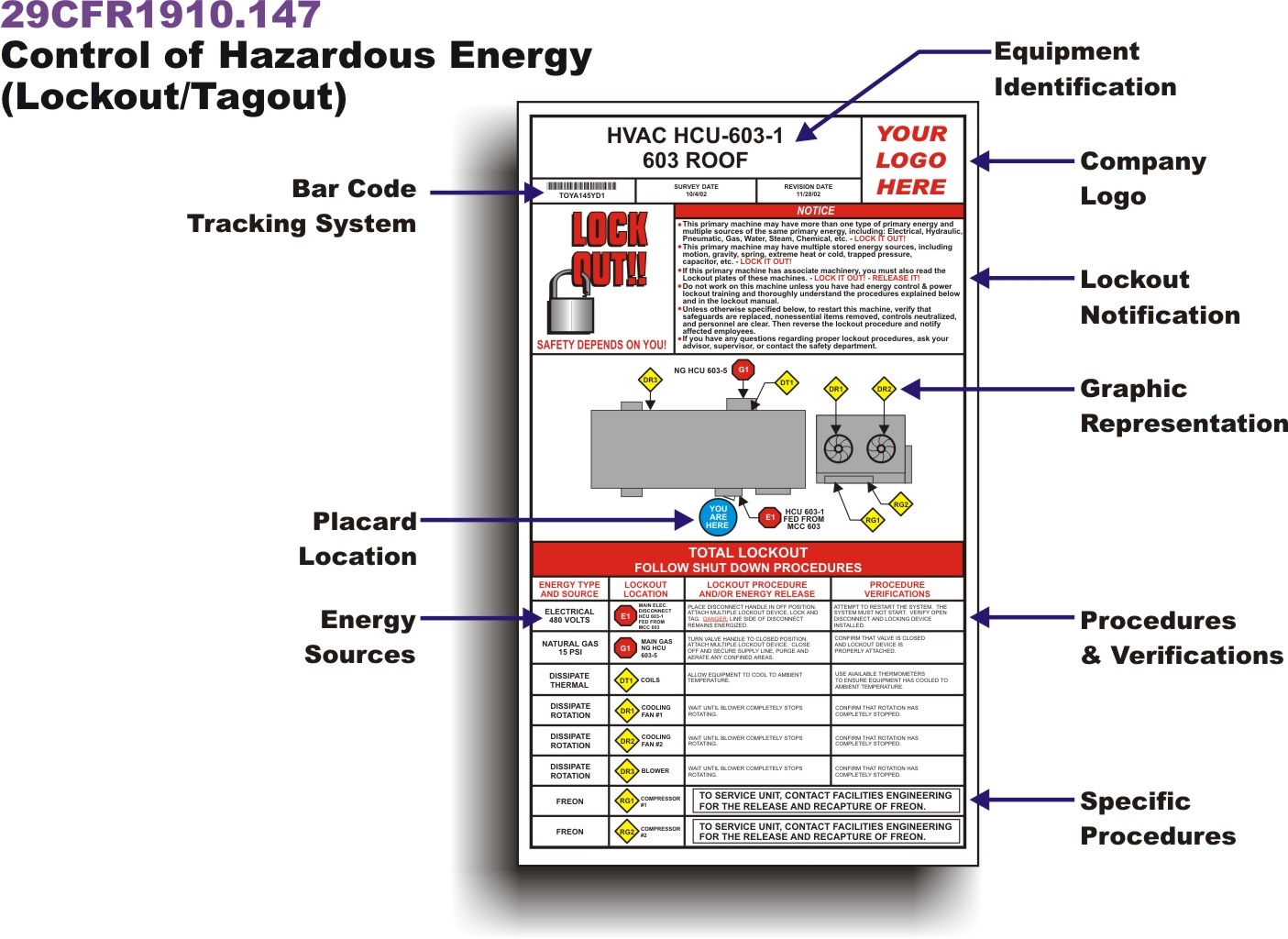
OSHA standard 29 CFR 1910.147 explicitly requires that energy control procedures protect employees from unexpected startup. While it doesn’t mandate a physical box, the use of one is the most practical way to achieve compliance during group work.
How Lockout Tagout Boxes Fit Into Real-World Scenarios
Manufacturing Line Maintenance
A packaging line requires simultaneous work by a mechanical technician on the feeder, an electrician on the control panel, and a hydraulics specialist on the actuator. Each applies their lock to their isolation point. The key to the main disconnect is placed inside the lockout box, which is then secured with three padlocks—one from each worker.
Only when all tasks are complete and each person removes their lock can the key be accessed. This eliminates the risk of partial reactivation, which could injure someone still inside the system.
Shift Handover in Continuous Operations
In a 24/7 plant, maintenance often spans shifts. Worker A begins servicing a pump at the end of their shift. They place the re-energization key in the lockout box and secure it with their lock. Worker B, starting the next shift, adds their own lock before continuing the job.
This ensures continuity. No assumptions, no verbal handshakes—just verified control.
Contractor Involvement
Outside technicians may not be familiar with internal procedures. By requiring them to use a lock on the central lockout box, their presence and participation are formally integrated into the safety system. Their lock stays until their work is complete and they personally release it.
Common Mistakes That Undermine Lockout Box Effectiveness
Even with the right equipment, failures occur due to poor execution.
1. Using a Single Lock for Multiple People
Two workers on the same task each use the same padlock, assuming “team safety” means shared responsibility. But LOTO requires individual accountability. Each person must use their unique lock and key.
Fix: Enforce personal lock ownership. No duplicates. No master keys.
2. Bypassing the Box for “Quick Fixes”
A technician decides to “just clear a jam” and skips the lockout box, believing it’s unnecessary for a brief task. But unexpected motion during a 30-second intervention can cause amputation.
Fix: Define what constitutes a servicing task. If a guard is removed or a point of operation accessed, full LOTO applies—no exceptions.
3. Poor Labeling or Missing Tags
Locks are applied, but tags don’t specify who locked it, when, or why. During audits or emergencies, this creates confusion.
Fix: Use standardized tagout tags with fields for name, date, purpose, and department. Store extra tags in the lockout box.
4. Storing the Box Inaccessibly
The lockout box is locked in a supervisor’s office or mounted too high to see. Workers can’t verify status at a glance.
Fix: Install boxes near the equipment or in designated LOTO stations with clear signage.
Top 5 Lockout Tagout Lock Boxes for Industrial Use
Choosing the right box depends on team size, environment, and workflow. Here are five reliable options widely used in compliant facilities:
| Model | Lock Stations | Material | Key Features |
|---|---|---|---|
| Brady LOCKOUT10 | 10 | Polycarbonate | Transparent door, wall-mountable, weather-resistant |
| Grainger 2XKP8 | 6 | Steel | Padlock hasp, internal organizer, ANSI-compliant |
| Master Lock LCL6 | 6 | Reinforced plastic | Built-in cable for securing to surfaces, affordable |
| Honeywell SPC10 | 12 | Steel | Expandable, supports group and departmental use |
| Seton 15105 | 8 | ABS plastic | Budget-friendly, includes tag templates and instructions |
Selection Tip: Match the number of lock stations to your largest expected maintenance team. Always choose a box with room to grow—adding personnel later shouldn’t mean retrofitting safety.
Integrating the Lockout Box Into Your LOTO Procedure
A lockout box only works if it’s embedded in a documented, trained, and audited process.
Step-by-Step Workflow
- Preparation
- Identify all energy sources: electrical, hydraulic, pneumatic, gravity, chemical.
- Notification
- Inform affected employees that maintenance is starting.
- Shutdown
- Turn off equipment using normal stopping procedures.
- Isolation
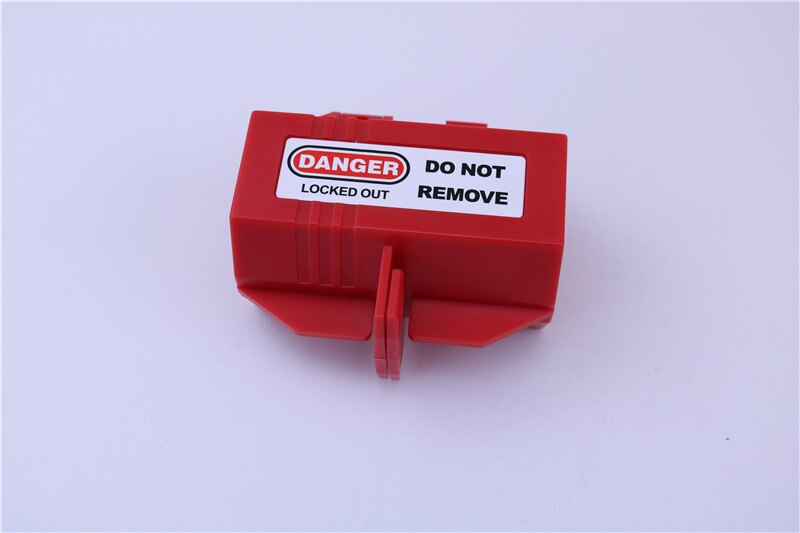
- Disconnect or block all energy sources with approved devices (valve locks, circuit breaker locks, etc.).
- Application of Locks and Tags
- Each authorized employee applies their lock and tag to their isolation point.
- Storage of Keys in Lock Box
- The key to re-energize the system is placed inside the lock box. The box is then secured with each worker’s padlock.
- Verification of Isolation
- Attempt to restart the equipment (with safeguards in place) to confirm zero energy.
- Work Completion
- After servicing, each worker removes their lock from the box when done.
- Re-energization
- Once all locks are removed, retrieve the key and restore energy.
- Documentation
- Record the LOTO event, including personnel, duration, and equipment.
This sequence isn’t negotiable. Skipping step 6—using the lockout box—breaks the chain of control.
Limitations and When Additional Controls Are Needed
A lockout box is powerful, but not foolproof.
In systems with multiple energy sources or complex interlocks, a single key may not represent full control. For example, a machine might have electrical power isolated but stored hydraulic pressure still present. The lockout box doesn’t address that hazard—it only manages access.
Supplement with: - Pressure bleed-off procedures - Gravity control (blocking, supports) - Capacitor discharge verification - Atmospheric testing in confined spaces
Also, digital systems introduce new risks. Some modern equipment uses software-based enable switches. These must be physically isolated or controlled via hardware interlocks—never rely solely on software for LOTO.
Training and Compliance: Making the Lockout Box Part of the Culture
Having a lockout box on the wall means nothing if workers don’t understand why it’s there.
Effective training includes: - Hands-on drills using real equipment and boxes - Role-playing shift handovers and emergencies - Annual refreshers and unannounced audits
OSHA requires that all authorized employees be retrained every 12 months or when procedures change. Use that opportunity to test lockout box usage—not just theory, but practice.
One plant reduced LOTO violations by 76% simply by conducting quarterly live simulations with the lockout box at the center. Workers weren’t just following steps—they understood the stakes.
The Bottom Line: Safety Is a Process, Not a Piece of Equipment
A lockout tagout lock box doesn’t make your workplace safe. Your people do. But the box gives them a clear, physical way to enforce accountability, prevent mistakes, and protect lives.
It turns abstract safety policies into tangible actions. It ensures that no one gets hurt because someone “thought” the system was de-energized.
If you’re not using a lockout box for multi-person maintenance, you’re not fully compliant—and you’re gambling with human error.
Start today: audit your LOTO procedures, install properly sized lockout boxes near critical equipment, and train your team to treat every lock as a promise—never to be broken.
Frequently Asked Questions
What is the purpose of a lockout tagout lock box? It secures the key or switch needed to re-energize equipment, ensuring that all workers must remove their locks before operation can resume.
Can multiple people use the same lock on the box? No. Each worker must use their own personal lock to maintain individual accountability.
Is a lockout box required by OSHA? OSHA doesn’t explicitly require a box, but it mandates group lockout procedures—using a lockout box is the most effective way to comply.
Where should a lockout tagout box be installed? Near the equipment being serviced or in a designated LOTO station with clear visibility and accessibility.
Can a lockout box be used for single-person maintenance? While possible, it’s typically used for multi-person jobs. Single-person LOTO usually involves direct locking of isolation devices.
What happens if a worker loses their lock key? The lock must be removed by a supervisor using a documented override procedure—never by force or assumption.
Do lockout boxes work with all energy types? The box manages access to re-energization, but each energy source must still be isolated using appropriate devices (valve locks, circuit locks, etc.).
FAQ
What should you look for in Lockout Tagout Lock Box: The Key to Workplace Safety? Focus on relevance, practical value, and how well the solution matches real user intent.
Is Lockout Tagout Lock Box: The Key to Workplace Safety suitable for beginners? That depends on the workflow, but a clear step-by-step approach usually makes it easier to start.
How do you compare options around Lockout Tagout Lock Box: The Key to Workplace Safety? Compare features, trust signals, limitations, pricing, and ease of implementation.
What mistakes should you avoid? Avoid generic choices, weak validation, and decisions based only on marketing claims.
What is the next best step? Shortlist the most relevant options, validate them quickly, and refine from real-world results.